Are Your 4x4 Accessories Legal? GVM And Weight Rules For Albury Wodonga Drivers
Most 4WD owners in Albury Wodonga know roughly what accessories they want on their build. Bull bar, winch, canopy, drawers, dual battery, fridge, recovery gear, roof rack — the list builds up quickly, and so does the weight. What fewer drivers know is exactly where their vehicle sits relative to its legal weight limit once all of that gear is on board. Are 4x4 accessories legal once they take you over the manufacturer's Gross Vehicle Mass rating? The short answer is no — and the consequences of an overloaded 4WD in Albury Wodonga range from a failed roadworthy to a voided insurance claim when you need it most.
What Is GVM and Why Does It Matter?
Gross Vehicle Mass is the maximum legal weight your vehicle can be when fully loaded — that means the vehicle itself, all factory-fitted equipment, fuel, passengers, cargo and every accessory you have added. The GVM is set by the vehicle manufacturer and listed on the compliance plate, typically found in the door jamb or engine bay.
The number that most owners actually care about is payload — the difference between your vehicle's kerb weight and its GVM. Understanding your 4x4 payload and GVM together is the starting point for any accessory build that needs to stay within legal limits. That payload figure is the total weight you are allowed to add across accessories, passengers, fuel, water and gear.
For a typical dual-cab ute or mid-size 4WD, the factory payload can be anywhere from 400 to 900 kilograms depending on the make, model and variant. That sounds like a lot until you start adding it up.
How Quickly Accessories Add Up
This is where most builds get into trouble, and it is often a surprise even for experienced 4WD owners. Here is a rough breakdown of what common accessories weigh:
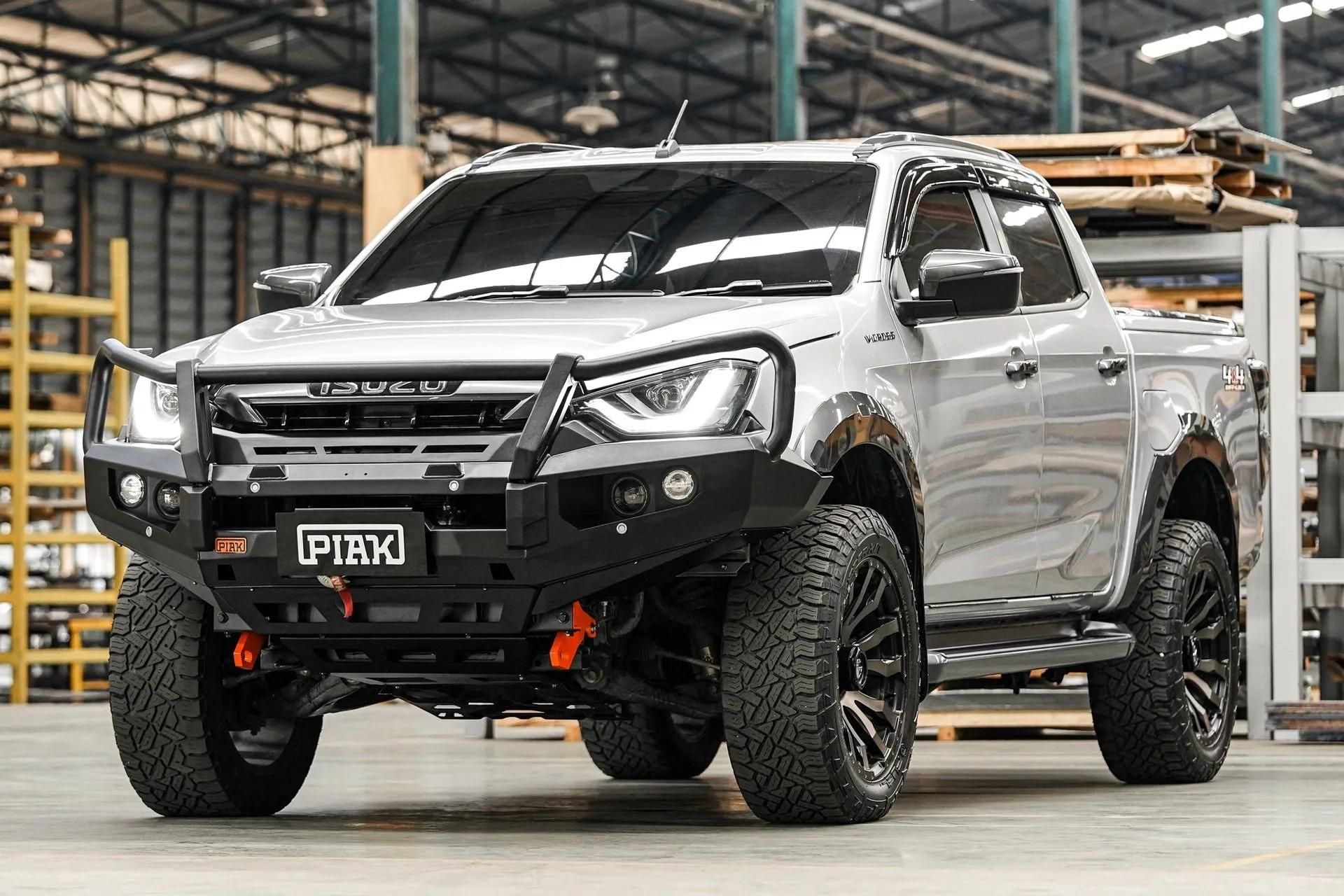
- Bull bar with winch: 60 to 100 kg
- Steel canopy: 120 to 200 kg
- Drawer system: 30 to 60 kg
- Dual battery system and housing: 30 to 50 kg
- Long-range fuel tank: 30 to 50 kg
- Water tank (full, 70 litres): approximately 70 kg
- Roof rack: 15 to 30 kg
- Recovery gear, tools and camping equipment: 50 to 150 kg
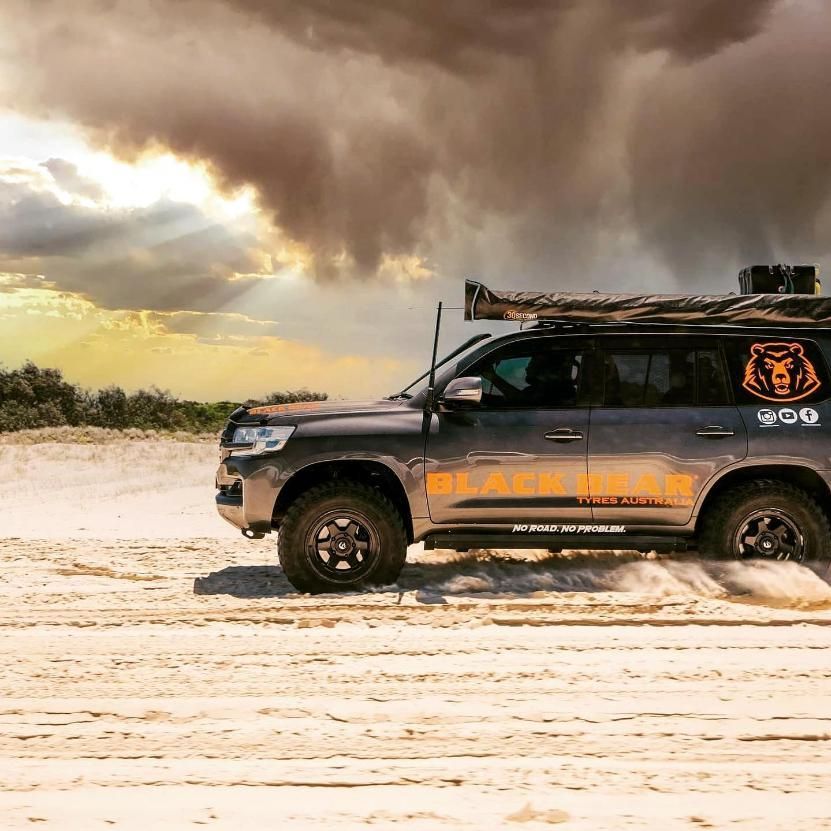
Add two or three passengers and a full tank of fuel and a touring-equipped 4WD that felt well within limits at purchase can be sitting significantly over its factory GVM. The 4x4 accessories weight question is one worth answering before the build is complete, not after. When sourcing and fitting 4x4 accessories in Wodonga, keeping a running weight total as each item is added is a straightforward habit that keeps the build on the right side of the limit.
Are 4x4 Accessories Legal If You Are Over Your GVM?
This is the question that matters. Operating a vehicle over its GVM is not a grey area — it is illegal in both NSW and Victoria, which puts Albury Wodonga drivers in a particularly relevant position given that many local 4WD owners regularly cross the border. An overloaded vehicle can be defected, taken off the road and the driver can face fines.
Beyond the legal risk, the insurance implications are significant. Most comprehensive vehicle insurance policies include conditions about the vehicle being operated in a roadworthy and legally compliant state. An overloaded vehicle that is involved in an incident — on or off-road — gives an insurer a clear basis to dispute or deny a claim. When you need insurance most, being over your GVM is exactly the kind of detail that matters.
A failed roadworthy or pink slip inspection is another common outcome for builds that have not been weight-checked. Inspectors in both NSW and Victoria can flag a vehicle for apparent overloading, and re-registration becomes complicated once that process starts.
The Albury Wodonga Border Factor
Albury Wodonga's position on the NSW and Victorian border adds a layer of complexity that most single-state drivers do not have to think about. Registration requirements, roadworthy standards and how modifications are assessed and certified differ between the two states.
A GVM upgrade, for example, involves certification to Australian Design Rules. The process and paperwork requirements for how that certification is recognised on registration can vary between NSW and VIC. If a vehicle is registered on one side of the border and regularly used on the other — which describes a large proportion of Albury Wodonga 4WD owners — it is worth understanding how the certification applies across both states before committing to a GVM upgrade pathway.
Getting advice from a workshop that operates in this region and understands both state requirements removes a significant amount of guesswork from that process.
What Is a GVM Upgrade and Do You Need One?
A GVM upgrade is an engineering modification that increases the legal maximum weight your vehicle can carry beyond the factory rating. For owners considering a GVM upgrade in Wodonga, the process involves engineering certification to Australian Design Rules and fitting components — typically suspension, tyres and braking — that are certified to support the higher load rating, along with documentation of the new GVM figure.
A GVM upgrade in Albury Wodonga is the appropriate pathway for owners whose build genuinely requires more payload capacity than the factory rating provides. It does not allow unlimited weight — it establishes a new, higher legal limit based on what the vehicle has been certified to carry safely with the upgraded components installed.
Not every build needs a GVM upgrade. Some vehicles have more factory payload than their owners realise, and the right accessories, chosen and fitted with weight in mind, keep the total within limits. The starting point is knowing where the vehicle actually sits — which means getting a proper weigh-in, not a rough estimate.
How Much Weight Can a 4x4 Actually Carry?
The honest answer is: less than most builds assume, and it varies significantly between vehicles. A Toyota LandCruiser 79 Series single cab has a substantially different payload to a Toyota HiLux dual cab with the same accessories. A Ford Ranger Wildtrak has different payload to a Ranger XL. Even within the same model line, variant and options affect the kerb weight and therefore the available payload.
The only reliable way to know how much weight your 4x4 can carry in its current configuration is to have it weighed — ideally at a public weighbridge with your typical touring load on board — and compare that figure to the compliance plate GVM. Calculating it from spec sheets and accessory estimates is a useful starting point but not a substitute for actual measurement.
Planning a touring build for High Country trips and similar adventures? Our guide to the best 4x4 accessories for tackling the Victorian High Country is worth reading alongside this one to keep your build choice and weight management working together.
What to Do Before You Add More Gear
If you are planning to add accessories to your 4WD — or if you have already built up a setup and are not sure where it sits — the right steps are straightforward. Start by finding out your vehicle's current kerb weight and factory GVM, then calculate the payload available. Add up the weight of everything you are planning to install, including gear and passengers, and see where the total lands.
If the calculation suggests you are close to or over your GVM, get a weigh-in to confirm. If you are over, or if the planned build will take you over, a GVM upgrade pathway is worth exploring before more gear goes on. Our 4x4 mechanic team can assess your setup, advise on payload and carry out a GVM upgrade where it is needed. When we fit 4x4 accessories in Wodonga, we factor in weight so your build stays within legal limits. Worried your build is over the limit? Get advice from our team and we will help you stay legal and covered.
Talk to Opposite Lock Albury Wodonga About Your Build
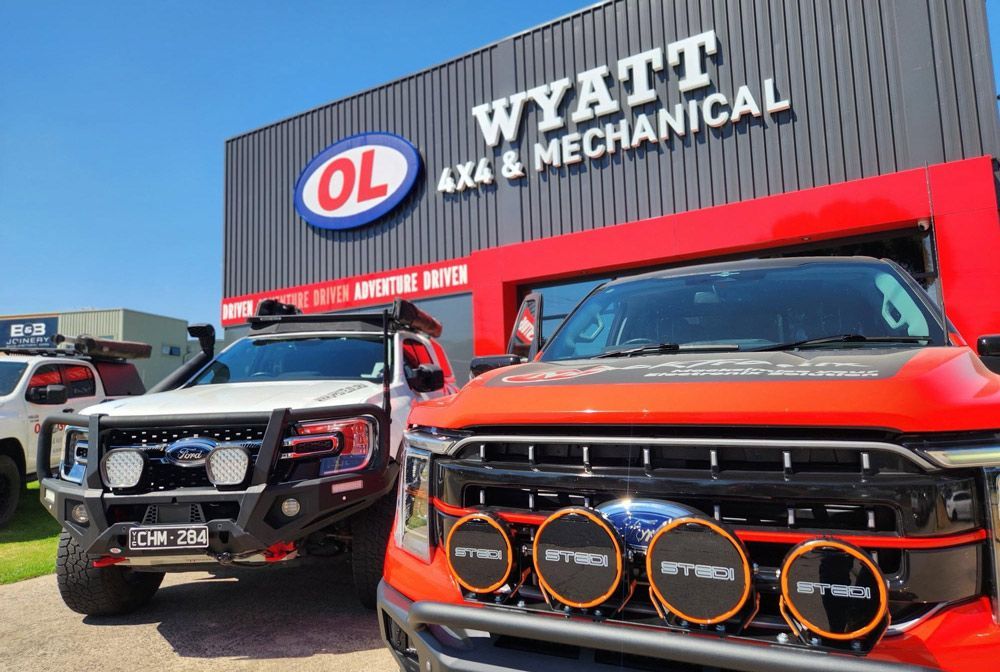
Opposite Lock Albury Wodonga stocks and installs 4x4 accessories in Wodonga for a wide range of 4WD makes and models, and the team carries out GVM upgrades, pre-trip inspections and mechanical work from the workshop at 87 Thomas Mitchell Drive, Wodonga. If you are building a touring setup and want to make sure it stays within legal limits across both sides of the border, get in touch with the team to discuss your build and what it means for your payload position.
Frequently Asked Questions
Can my 4x4 be defected for being over its GVM?
Yes. An overloaded vehicle can be defected and taken off the road in both NSW and Victoria. Operating over your GVM is illegal regardless of how the excess weight has been distributed, and the consequences can include fines, a defect notice and the vehicle being unregistrable until the issue is resolved.
Does a GVM upgrade mean I can carry unlimited weight?
No. A GVM upgrade establishes a new, higher legal limit based on what the vehicle has been certified to carry with the upgraded components. The upgraded GVM figure becomes the new legal maximum — it is not a blank cheque for additional weight beyond that figure.
Will my insurance cover an accident if I am over my GVM?
Most comprehensive insurance policies include conditions about the vehicle being roadworthy and legally compliant. An overloaded vehicle gives an insurer a basis to dispute or deny a claim. The specific terms of any policy vary, so it is worth checking your policy wording directly rather than assuming coverage applies regardless of vehicle weight.
Do GVM upgrade requirements differ between NSW and VIC?
The underlying Australian Design Rules certification is national, but how that certification interacts with registration requirements can differ between states. Albury Wodonga drivers who are registered on one side of the border and regularly drive on the other side are best advised to discuss the cross-border implications with a workshop familiar with both state requirements before committing to a GVM upgrade pathway.
How do I find out my vehicle's current payload capacity?
Your vehicle's GVM is listed on the compliance plate, typically found in the driver's door jamb. Your kerb weight is usually available in the owner's manual or manufacturer specifications. The difference between the two is your payload. Subtracting the weight of accessories already fitted gives you the remaining capacity for passengers, fuel, water and gear.